Aggregation of energy resources
aggregatorWe integrate distributed energy assets into a single managed system to participate in energy markets, optimize consumption, and increase economic efficiency.

What is aggregation?
Aggregation is the combination of multiple energy assets into a single, virtual, controllable system.
Such assets may include:
• BESS/ESS energy storage systems
• solar power plants
• industrial loads
• backup power sources
• commercial and infrastructure assets
With aggregation, individual assets can act as a single energy resource: store, consume, release, or curtail electricity in response to market signals, schedules, and the needs of the power system.
What is this business for?
Aggregation allows not only to control energy consumption, but also to create additional economic value.
Key capabilities:
• participation in the electricity market;
• energy arbitrage;
• optimization of BESS charge and discharge schedules;
• reduction of electricity costs;
• monetization of consumption flexibility;
• increasing energy independence;
• centralized management of many objects.

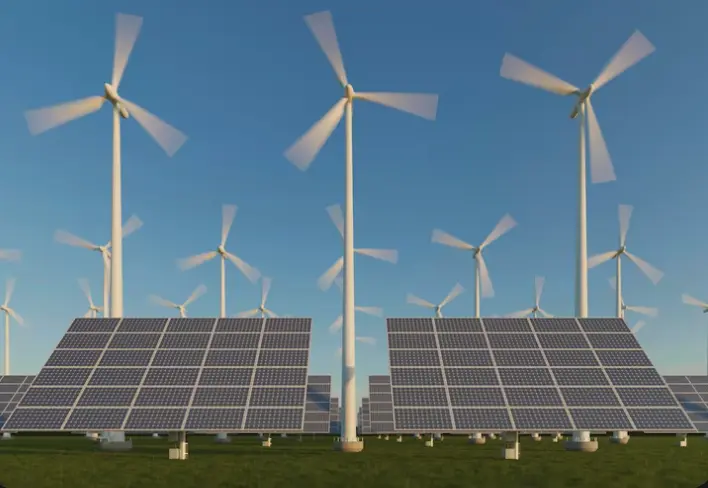
We connect energy facilities to a single digital platform that collects data, analyzes the condition of the equipment, and generates optimal operating scenarios.
The system takes into account:
• current condition of the equipment;
• battery charge level;
• facility capacity;
• market prices for electricity;
• consumption schedules;
• technical limitations;
• commands from the dispatcher or system operator.
Based on this data, an optimal operating mode is formed: when to charge the battery, when to give energy, when to limit the load or prepare the facility for participation in the market.
Additional economic benefit
Energy assets can work not only as a reserve, but also as a tool for generating income or savings.
Centralized management
All objects, devices, and energy indicators are available in a single system.
Flexibility for business
The system can adapt to different scenarios: backup power, arbitrage, consumption optimization, or market participation.
Transparent analytics
The user sees how each object works, what commands are executed, and what economic result it brings.
Aggregation as the future of energy
The energy system is moving from a centralized model to a more flexible one, where distributed resources play an important role: batteries, generation, consumers, and control systems. Aggregation allows businesses to become active participants in this market — managing their own energy, responding to prices, maintaining system balance, and getting additional value from already installed equipment.